The Art of the Second Chance: A Retargeting Guide
The Art of the Second Chance: A Retargeting Guide The Art of the Second Chance: A Retargeting Guide Before someone
Hi is no longer the only way to personalise. AI-powered web experiences will change content, product suggestions, and even navigation in real time based on how users act, where they are, and how they browse the web.
Why it works: People who visit view content that is important to them. A consumer that comes back sees different messages than a new customer. responsive website design agency People who are looking on their phones during lunch get different calls to action than people who are looking on their computers at midnight.
How to put it into action: Start with dynamic content blocks that alter depending on where the traffic comes from, what time of day it is, or what the user has done before. You can now do this without spending a lot of money on development thanks to tools like HubSpot, Optimizely, and even WordPress plugins.
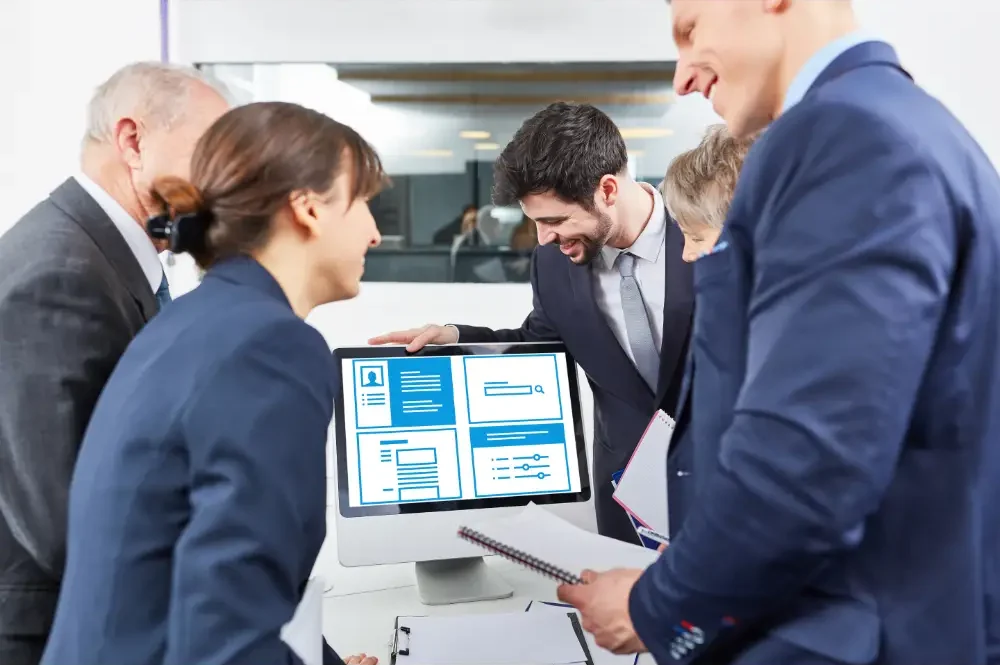
Static design is a relic. Immersive scrolling design enhances storytelling as page elements animate and transform at various scroll points. Crafting a layout in this manner adds an element of storytelling. web design agency
Why this is effective: Immersive scrolling works in turning passive scrolling into an active exploration of the site. This is a more effective method of navigating the site as it guides the user and achievening the desired conversion. The average person’s attention span is 8 seconds and engrossing them in active scrolling is a method of extending attention.
How this can be achieved: The story intended to be told throughout the page can be revealed using various scrolling design elements like the parallax effect where the background and foreground scroll at different speeds, progressive scrolls, and scroll-triggered animations. This can be achieved easily with web design tools like GSAP and AOS.

These subtle animations happen when the user interacts with elements on your site. Take the “like” animation on social media or buttons that change colors when hovered, modern web design trends. web design inspiration more advanced versions like progress bars that fill as users complete a form provide even clearer feedback.
Why it converts: These elements all provide feedback that guides the user and shows them their actions. This confirmation reduces uncertainty and frustration, creating a more seamless and enjoyable experience that fosters completion.
Implementation: These can be built using CSS and animations and JavaScript. Keeping them fast, subtle, and purposeful is key.

This trend uses large custom or unique fonts to make strong visual statements. Typography has moved beyond just being readable. Modern web design it is now a central element of the design that conveys brand personality and establishes a clear hierarchy.
Why it converts: Typography effectively captures attention and communicates with order and structure. It directs a user’s sight to pivotal pieces of information like headlines and calls to action. Typography also enhances the memorability and resonance of the key messages.
Implementation: Google Fonts and Adobe Fonts are great options for a font selection. High-converting websites make sure the font files are in WOFF2 format for web optimization to avoid slowing down the website.
Claymorphism creates the illusion of soft rounded shapes with a 3D aspect and gives a blobby clay-like feel. Claymorphic components ‘float’ within the user interface adding a degree of friendliness and creating a more tactile user experience.
Why it converts: There is a degree of playfulness and approachability within the style. It makes the brand seem more modern and human. Looking websites, it accentuates the interactivity of components such as buttons and cards, thus increasing their prominence and clickability.
Implementation: For 3D web elements, Spline and Vectary are tools to easily create and export them. To avoid increasing page load time, keep an eye on file size.
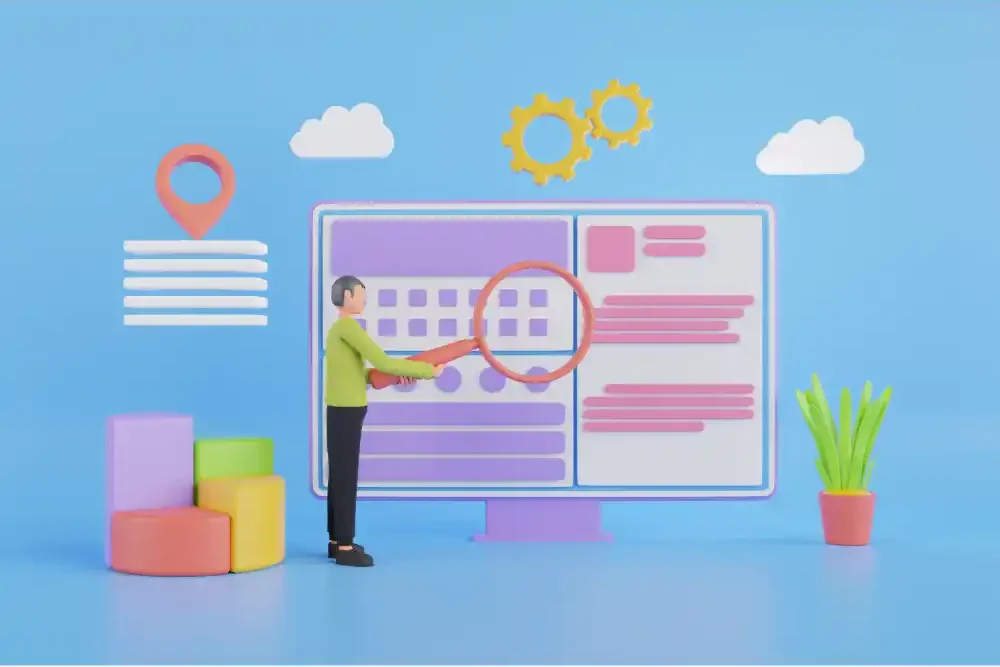
Asymmetrical designs offer a break from the stale rigidity of symmetrical grids, permitting the creation of more dynamic page structures and more interesting arrangements. Such designs permit the use of unconventional alignment and spacing as tools to evoke and manage a sense of movement within a given page or ensemble of pages directed toward more salient components of the content.
Asymmetrical, or more generally, dynamic designs attract attention because they break monotony. It is possible to direct attention toward key elements of conversion, such as a call to action or a value proposition. Check website on mobile devices such an approach creates a unique path for the user to follow, which is often enough to ensure the design is memorable.
CSS Grid and Flexbox offer the greatest potential to realize such designs while still retaining a responsive design approach.
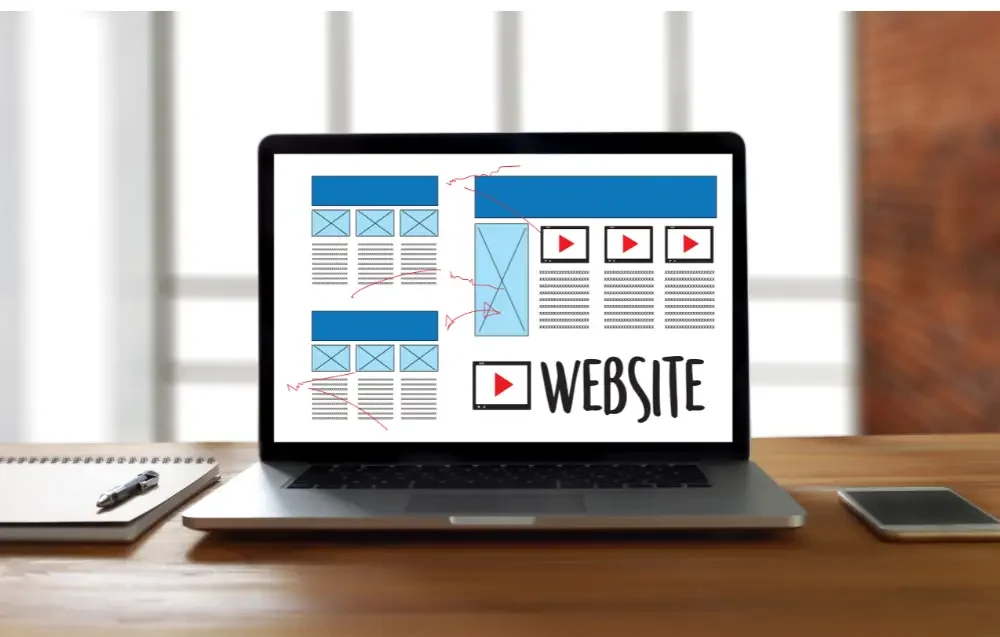
Designing for the disabled means offering all users the ability to interact with a given site, which, in turn, means offering disabled users the ability to interact fully with the site in question. This means abstraction such as providing text alternatives for images, and more basic implementations like ensuring the use of keyboard commands and navigation, as well as providing proper semantic HTML to utilize elements and tags.
An accessible site is, of course, a site that is usable by all. It also shifts trust toward the brand and audience potential. website developers London
Absence of rigid structures with unnecessary barriers that are collapsible, and provision of clear structures, are accessibility practices that also enhance SEO.
Implement the Web Content Accessibility Guidelines (WCAG). Use tools like the WAVE Web Accessibility Evaluation Tool to audit your website.

Minimalism, while still popular, is changing. In contrast to the sharp, monochrome looks, this new version focuses on pairing clean, simple layouts with bold, vibrant, and often gradient-heavy color schemes. web design united kingdom It prioritizes the emotional and discernible guiding features of color in contrast to clutter and chaos.
Why it converts: A minimal interface means less cognitive load, enabling users to effortlessly align with their intent. Key conversion elements are bolded in color, guiding the user toward buttons and links to take action.
Implementation: Pick a few vibrant colors. Use white space to unclutter the colors and content. Use color combinations that comply with the standard for accessibility contrast
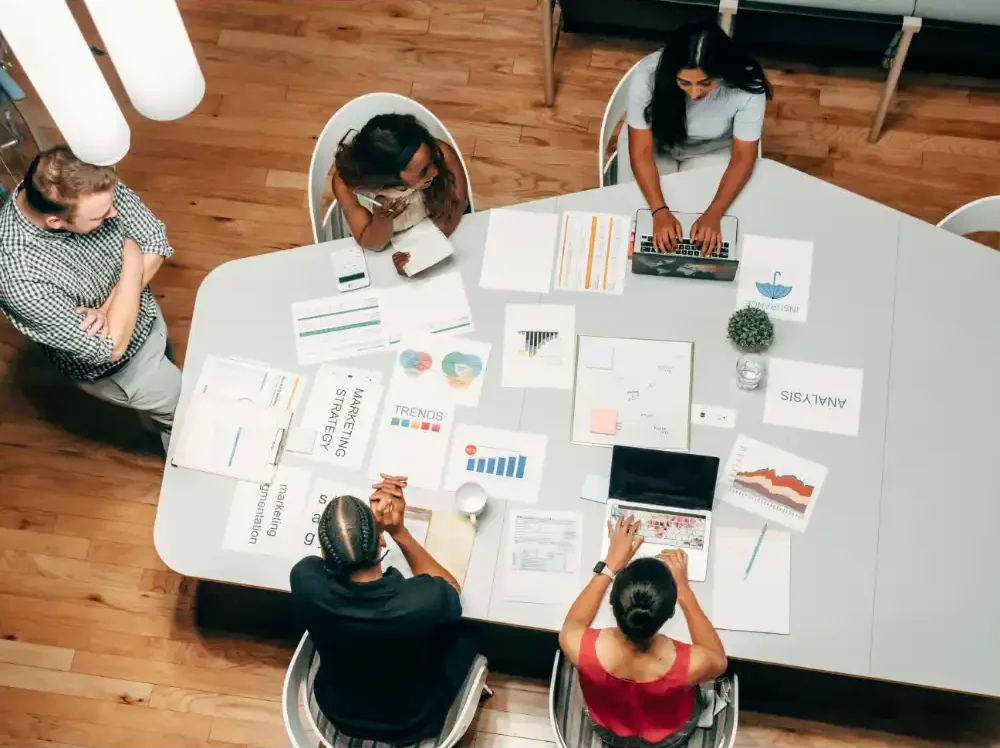
Named Glassmorphism, this new design style offers an interface with a glass-like transparent and frosted view for the user. It blurs a background and then lightly bends the cue of the foreground element toward the user. Best design agency sites this style distinguishes the layers of content of the interface.
Purpose: Using visual separations and dividers helps users screen-out irrelevant background information. Check my site on mobile, put differently, it helps users focus on the foreground, particularly on modals and navigational components. A good example is when users are logging into a site or are in the final stages of completing a transaction and are being asked to check-out.
Use case: You can use the blur() effect in the CSS backdrop-filter property. It should be used only when needed to minimize the clutter and enhance performance.
Voice command and control for websites and apps joins the trend of hands-free interaction that smart speakers and voice assistants provide. View website from mobile, it offers voice navigation, allowing users to browse and complete site processes using only their voice.
Justification: With voice control, users need not touch the screen or a mouse. For users with motor impairments or disabilities, it offers an accessible mode. For e-commerce sites, it is particularly useful to quickly complete a search and finalize a purchase.
In 2025, the most appropriate web design trends will be those that harmonize aesthetics and functions. Considering the factors of personalization, engagement, and ease of accessibility, coupled with website speed, ensures a futuristic website that converts visitors into loyal buyers. With a thoughtful selection and implementation of trends that suit the brand, the website will continue to serve the purpose of business growth.
Want to implement a design that converts? Get in touch with our website design professionals to arrange a consultation.
In 2026, the most appropriate web design trends will be those that harmonize aesthetics and functions. Considering the factors of personalization, engagement, and ease of accessibility, coupled with website speed, ensures a futuristic website that converts visitors into loyal buyers. With a thoughtful selection and implementation of trends that suit the brand, the website will continue to serve the purpose of business growth.
Want to implement a design that converts? Get in touch with our website design professionals to arrange a consultation.
Absolutely. Most of these trends, like optimizing typography and improving accessibility or adding micro-animations to primary buttons, can be done haphazardly. You don’t need a complete overhaul to see gains in conversions.
Not if done well. Always optimize and streamline the coded animations to the point of being trivial to the site. Use Google PageSpeed Insights to measure performance. Try to prioritize animations that enhance your Core Web Vitals..
Rather than a major overhaul every few years, you should adopt continuous improvement processes. Use heat maps, funnel analysis, and A/B tests to understand user behaviors and optimize from there. This will be more effective than constantly redesigning to meet the latest trends.
Yes. An accessible site naturally fosters a better user experience, improving conversion rates. It will also protect your brand, widen your reach, improve SEO, and offer more boiled down bottom lines.
The Art of the Second Chance: A Retargeting Guide The Art of the Second Chance: A Retargeting Guide Before someone
Mastering Meta Ads Lead Generation: Your Ultimate Guide Mastering Meta Ads Lead Generation: Your Ultimate Guide If you are tired